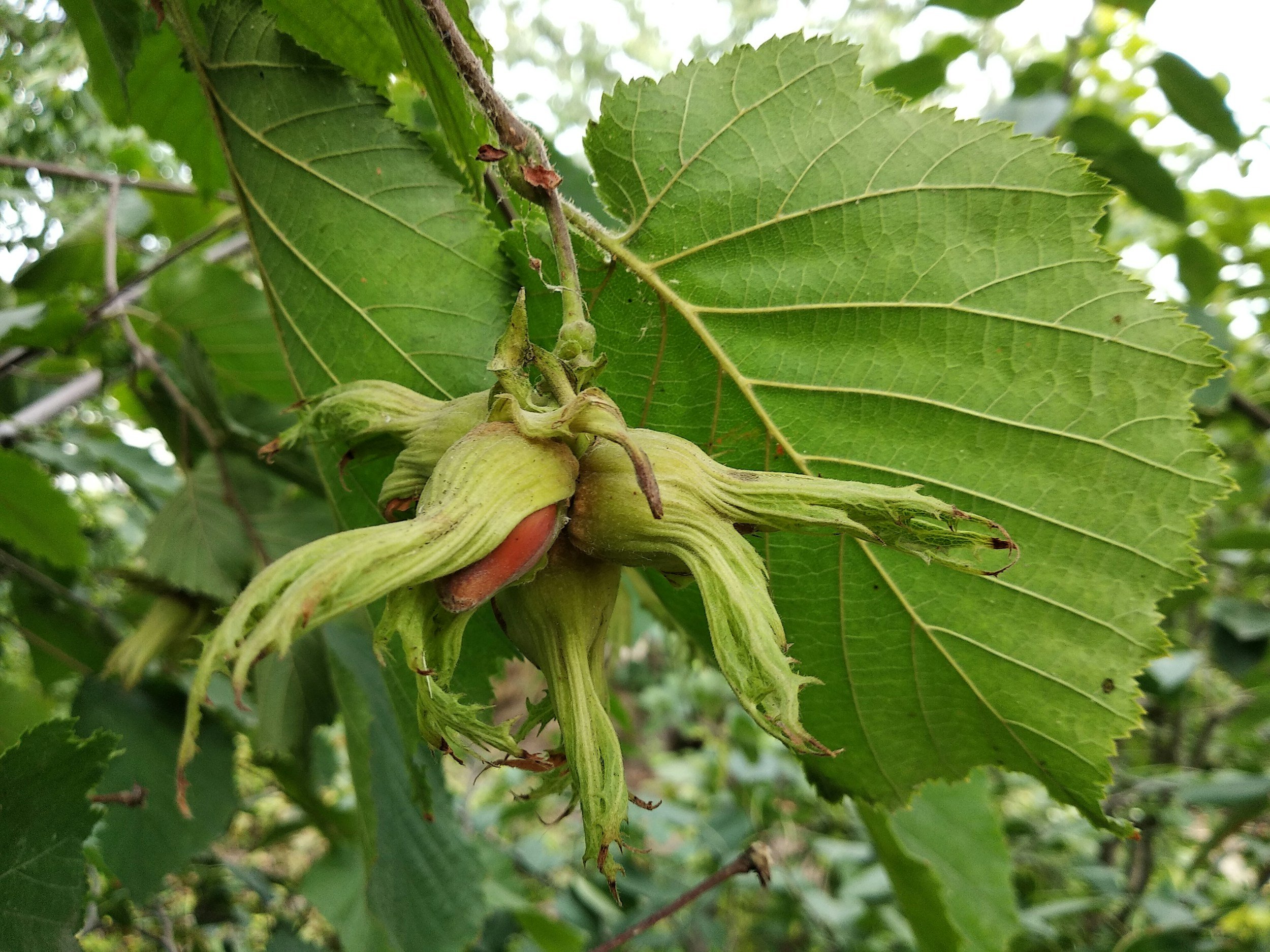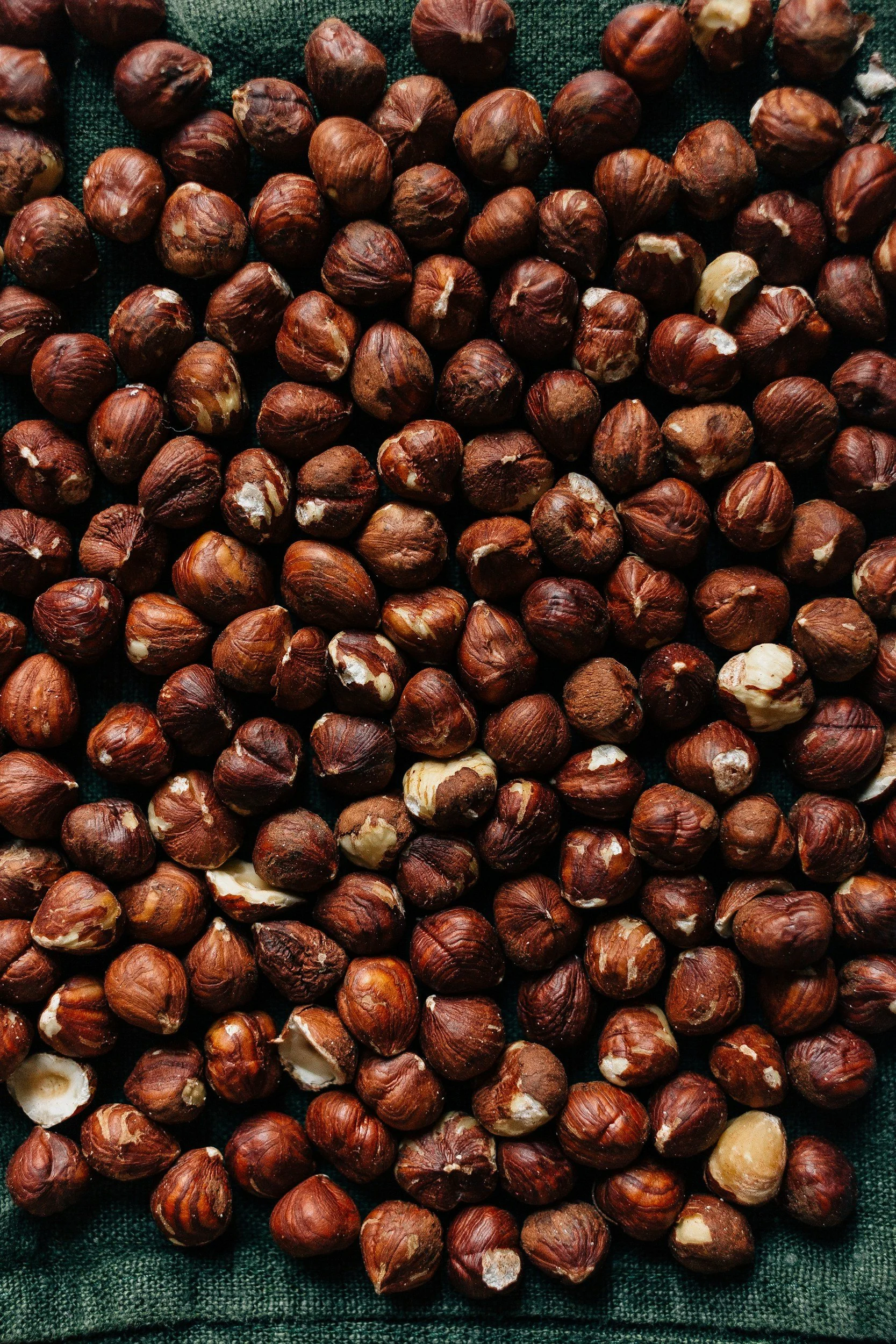
The British Hazelnut Association is a UK-wide community supporting hazelnut growers by sharing knowledge, encouraging collaboration and promoting best practice to build a profitable and sustainable British hazelnut sector.
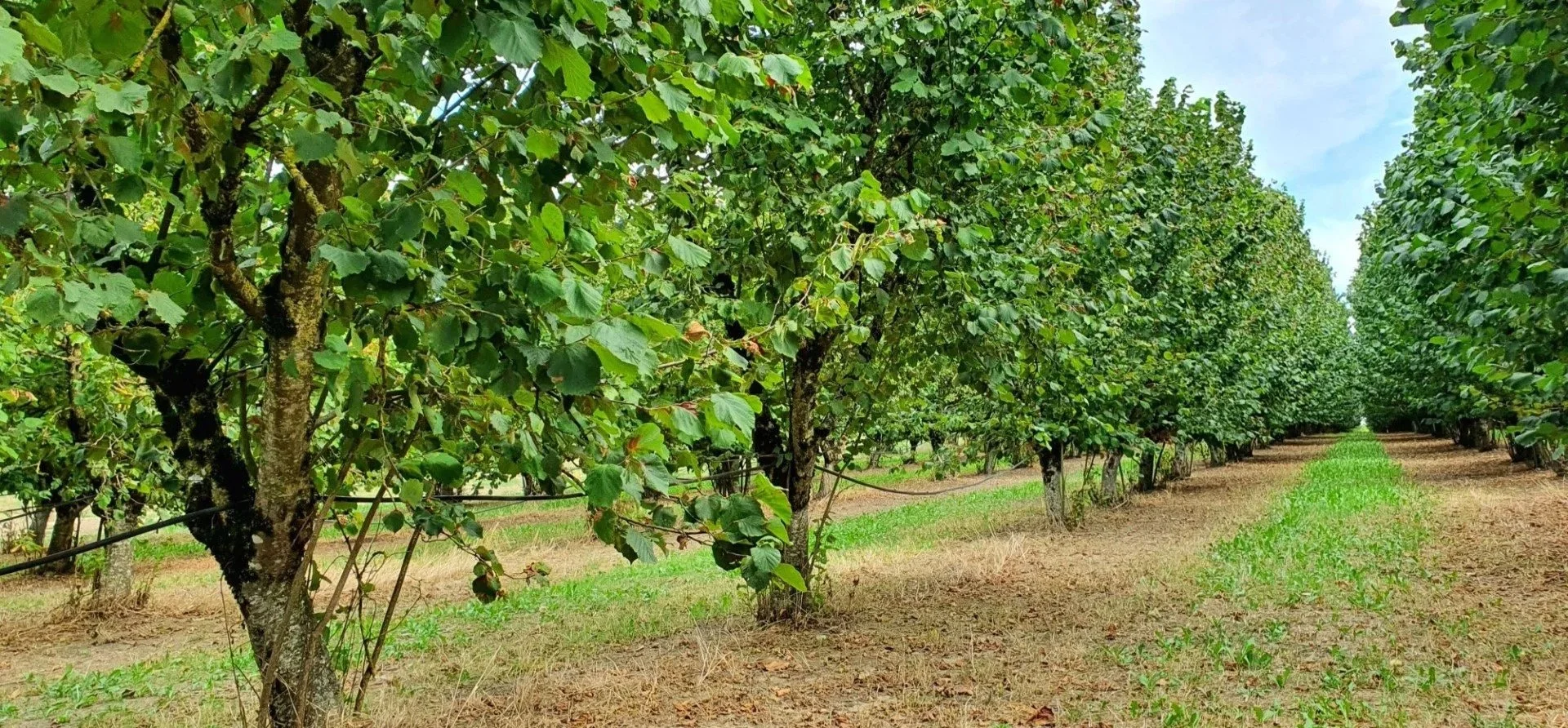
Mission Statement
The British Hazelnut Association was formed in response to three structural challenges facing UK farmers:
1. Volatile and inadequate global cereal prices.
2. Short-term policy cycles that undermine long-term investment confidence.
3. Rising environmental expectations that farmers are not positioned to meet.
We believe the future of British farming can be both economically viable and environmentally credible.
By working together as a collective of growers, we aim to:
Achieve the scale required to enter the hazelnut commodity market and establish recognition for a high-quality UK hazelnut crop.
Lower the capital barrier to entry for individual farmers through shared infrastructure, knowledge and coordinated development.
Spread production and market risk across a network of members.
Develop a profitable perennial farming system that strengthens farm resilience while delivering environmental gains.
Our mission is to build a commercially robust UK hazelnut sector where economic sustainability and ecological responsibility are not competing priorities, but mutually reinforcing outcomes.
UK Nuts: Then and Now
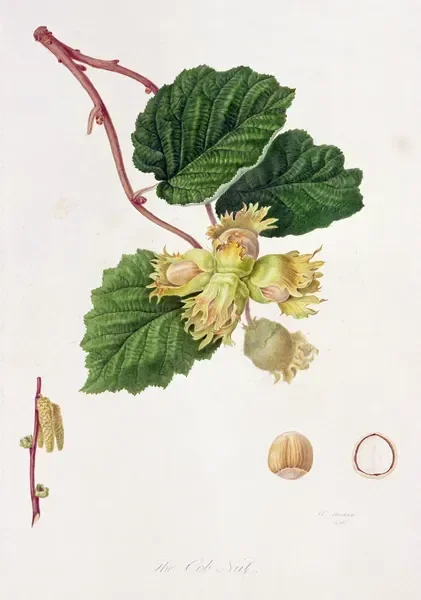
The United Kingdom once sustained a viable domestic nut industry throughout much of the twentieth century, with regional production contributing both to rural livelihoods and to local food supply chains. However, this sector was effectively dismantled during the 1970s following an EEC policy framework that prioritised large-scale cereal production. Incentives, subsidies, and structural adjustments encouraged farmers to uproot orchards and perennial nut plantings in favour of annual arable crops that aligned with continental agricultural strategy. Over time, this shift led not only to the loss of productive acreage but also to the erosion of specialist knowledge, infrastructure, and supply networks that had supported domestic nut cultivation.
In the decades since, major nut-producing countries have advanced rapidly. Through sustained investment in research and development, they have improved plant genetics to produce higher-yielding, disease-resistant varieties suited to different climates and soils. They have refined agronomic practices, including irrigation management, soil nutrition, pest control, and orchard design, while simultaneously adopting mechanisation technologies that dramatically increase efficiency in harvesting, processing, and grading. Supply chains in these countries have likewise matured, integrating storage, transport, and marketing systems that allow producers to respond flexibly to global demand.
Drawing on this international progress, we have systematically gathered best practice from leading producing regions, studying not only technical methods but also market structures, cooperative models, pricing mechanisms, and policy environments. Equally important, we have engaged directly with farmers and industry participants to understand their experiences, incentives, and concerns. Our objective is to synthesise these insights into a practical, evidence-based framework that can be adapted to British conditions. By doing so, we aim to support UK farmers in re-establishing a competitive domestic nut sector—one that is economically viable, environmentally resilient, and aligned with modern consumer demand.